Buying a Shed in Australia: 10 Key Things You Must Know First
Thinking about buying a shed for your backyard or property? You’re not alone. Across Australia, more homeowners are adding sheds to create extra storage, a workspace, or even a retreat. But before you dive in, it’s important to make an informed decision, because a shed isn’t just a purchase; it’s an investment in your lifestyle and property.
This guide provides you with everything you need to know before making a purchase, serving as your go-to resource for buying a shed.
1. What Will You Use the Shed For?
First things first, why are you buying a shed? Defining the purpose helps determine size, material, and features. Are you looking for a garden shed, a workshop, or a secure space for storing tools and bikes?
Popular uses include:
- Gardening tool storage
- Hobby workshop
- Bike or equipment storage
- Poolside cabana
- Office or creative studio
Each use case may require a different style, layout, or ventilation setup, so clarity upfront helps avoid costly adjustments later.
2. Consider the Different Types of Sheds
Australia offers a wide variety of sheds, and understanding the types of sheds available helps narrow your options.
Shed Type | Best For |
Garden Sheds | Tool and lawn equipment storage |
Workshop Sheds | DIY and hobby workspaces |
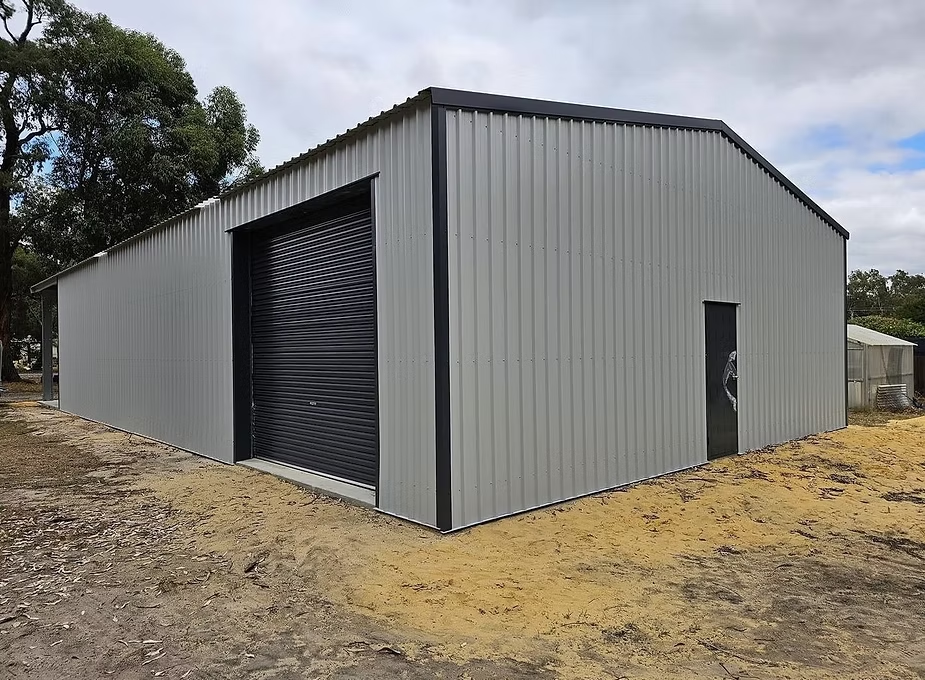
Garage Sheds | Car storage and multi-use areas |
Aviaries or Animal Sheds | Keeping pets or poultry |
Custom Sheds | Home office or entertainment setups |
Be sure to choose one that suits both your current needs and potential future use.
3. Materials Matter More Than You Think
Shed durability heavily depends on materials. In Australia’s climate, whether coastal, dry, or tropical, you need a structure that stands up to the elements.
Common options:
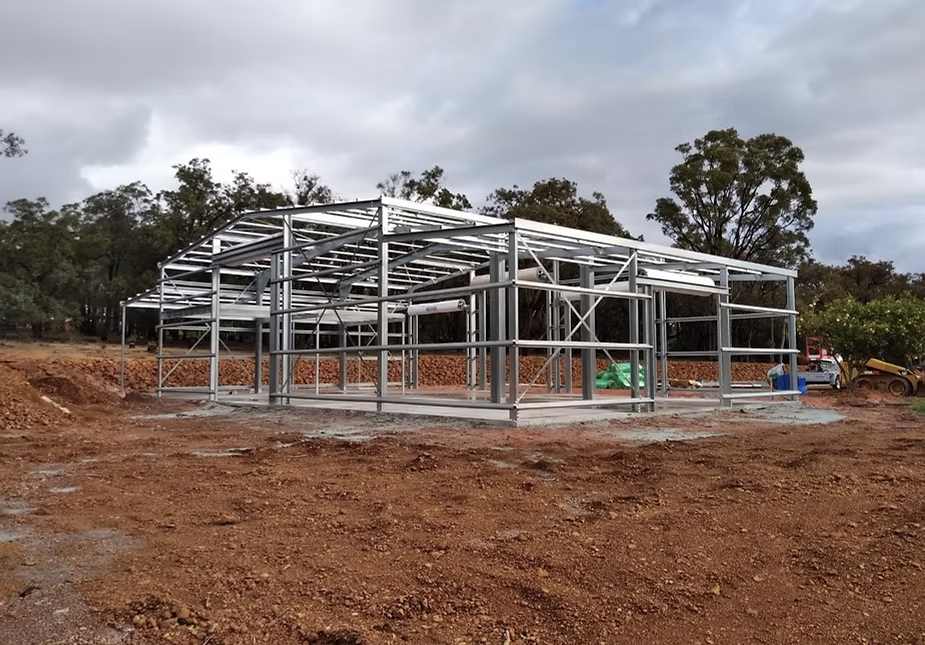
- Steel: Rust-resistant, durable, great for bushfire-prone areas.
- Timber: Aesthetic appeal, customisable, but requires more maintenance.
- Resin or Plastic: Easy maintenance and weatherproof, but less robust for large storage.
Don’t forget to consider your environment, if you’re in a cyclone or termite-prone region, material choice is critical.
4. Don't Forget About Council Regulations
Before building, check with your local council. In most Australian areas, sheds under 10m² may not require approval, but rules vary by state and local government.
Things to verify:
- Maximum height
- Setbacks from property boundaries
- Permits for electrical work
- Heritage or zoning restrictions
Failure to comply can mean hefty fines or forced removal, definitely not something you want post-installation.
5. Roofing: More Than Just Shelter
When it comes to shed roofing, functionality meets style. It plays a major role in drainage, durability, and weather resistance.
Common roofing styles:
- Flat roofs: Modern and minimal, but less ideal for heavy rainfall.
- Gabled roofs: Classic style with great water runoff.
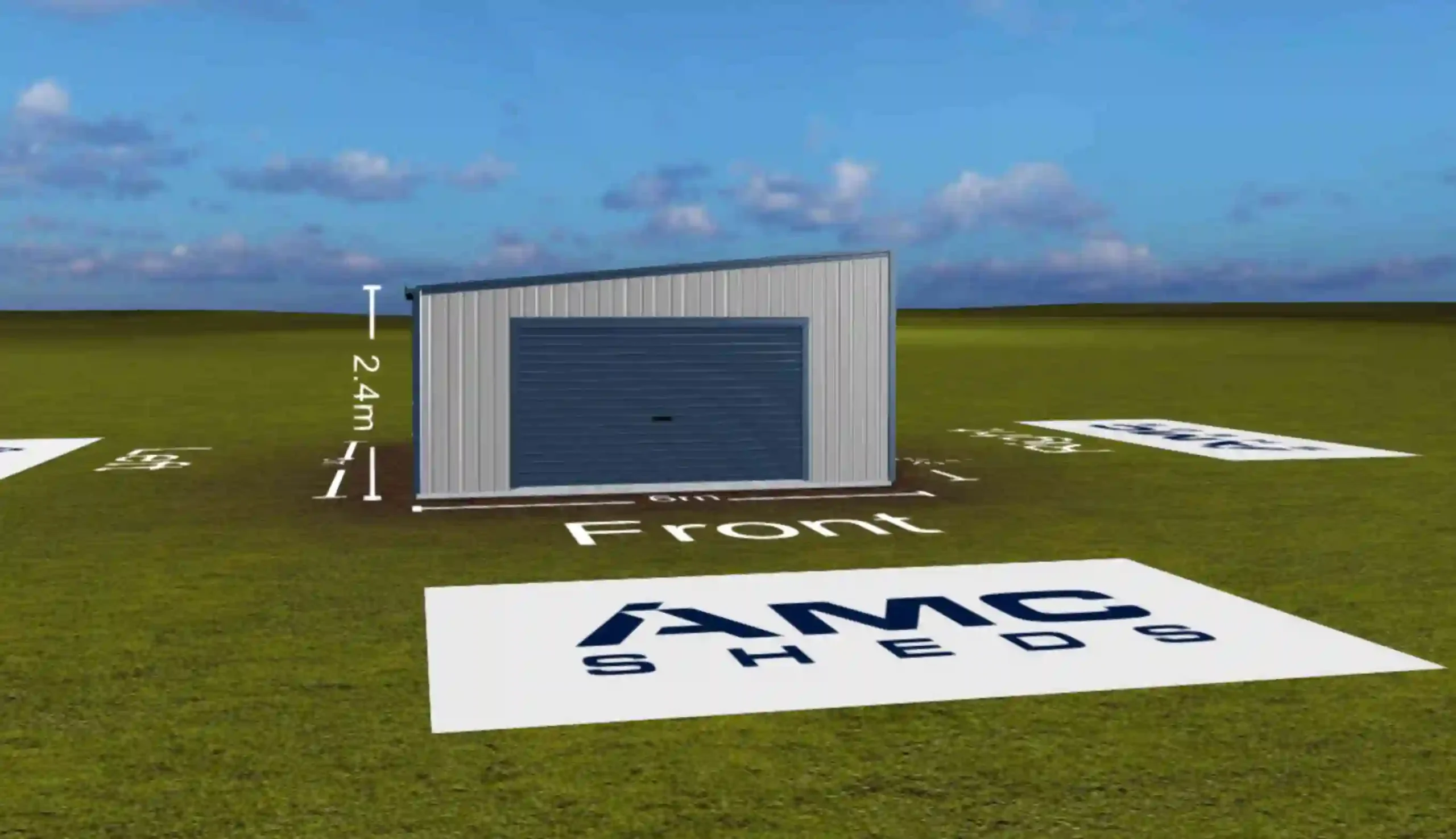
- Skillion roofs: Contemporary look with efficient drainage.
Choose a material like Colorbond steel for long-lasting performance in harsh Aussie weather.
6. Ventilation Is Crucial
Proper shed ventilation options can make or break your experience, especially if you're storing chemicals, using the space as a workshop, or spending time inside.
Effective ventilation methods:
- Wall vents for airflow
- Roof vents for heat release
- Louvre windows for natural light and air
- Whirlybirds for continuous circulation
Ventilation reduces mould, rust, and discomfort. It’s a small detail that has a big impact.
7. Storage Needs & Internal Layout
Don’t forget what you’re storing. Internal design matters. Think beyond shelving, plan zones for tools, larger equipment, or even a workbench.
Storage features to consider:
- Built-in shelving
- Overhead racks
- Lockable cabinets
- Pegboards for tools
This is where your shed’s true value lies, efficient, tidy storage makes life easier every day.
8. Access & Security Considerations
Look for sheds with wide doors (especially for ride-on mowers or bikes), lockable latches, and sturdy frames. Security is particularly important in urban or open-rural settings.
Consider:
- Double doors for equipment access
- Reinforced hinges
- Padbolt or latch locks
- Motion sensor lighting
After all, your shed is only as useful as it is secure.
9. Location, Location, Location!
Where you place your shed can affect both function and compliance. Ideally, choose a flat, well-drained area. Keep it away from trees (roots and falling branches) and close enough to power/water if needed.
Also factor in:
- Sunlight (for solar panels or natural light)
- Proximity to your house
- Accessibility throughout the year
10. Budget & Finding the Right Seller
Before buying a shed, set a realistic budget. This includes the shed itself, delivery, installation, and possibly council permits or ground prep.
If you’re searching for sheds for sale near me, be sure to choose a reputable local supplier. Look for:
- Australian-made materials
- Warranties
- Transparent pricing
- Assembly support
Ready to start your search? Here’s a great example of a trusted, high-quality provider: Sheds for Sale Near Me.
Why AMC Sheds is a Trusted Choice in Australia
At the end of the day, quality matters. Whether you're after a compact tool shed or a multi-functional workspace, Contact Us for durable, Aussie-ready structures with a range of features that suit every lifestyle and climate.
With great customer support, expert advice, and a wide selection of materials and layouts, AMC Sheds is your go-to for reliable backyard structures designed with Australians in mind.
FAQs
1. How long does a shed last in Australian weather?
With proper materials and care, most sheds can last 15–25 years, even longer with steel or Colorbond options.
2. Do I need council approval for a small shed?
Usually, sheds under 10m² don’t require approval, but local council regulations may vary. Always check first.
3. What’s the best roofing material for Australian sheds?
Colorbond steel is a popular choice for shed roofing, offering great weather resistance, durability, and style.
4. How do I improve ventilation in my shed?
Use a combination of shed ventilation options like roof vents, wall louvers, and whirlybirds to prevent moisture and heat build-up.
5. Can I insulate my shed?
Yes, especially if you’re using it year-round. Insulation helps regulate temperature and reduces noise, great for workshops or studios.