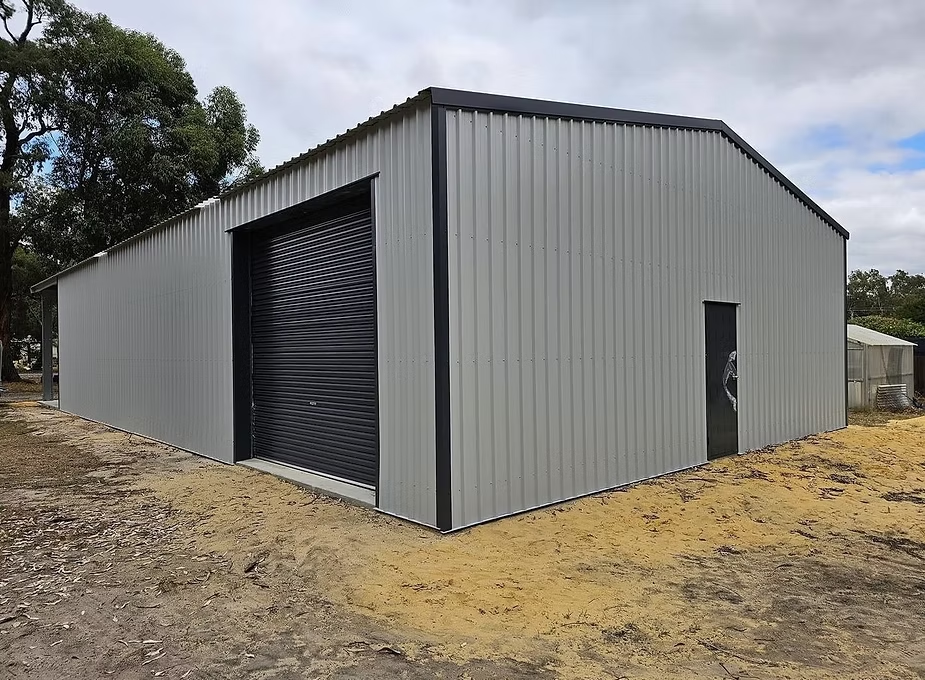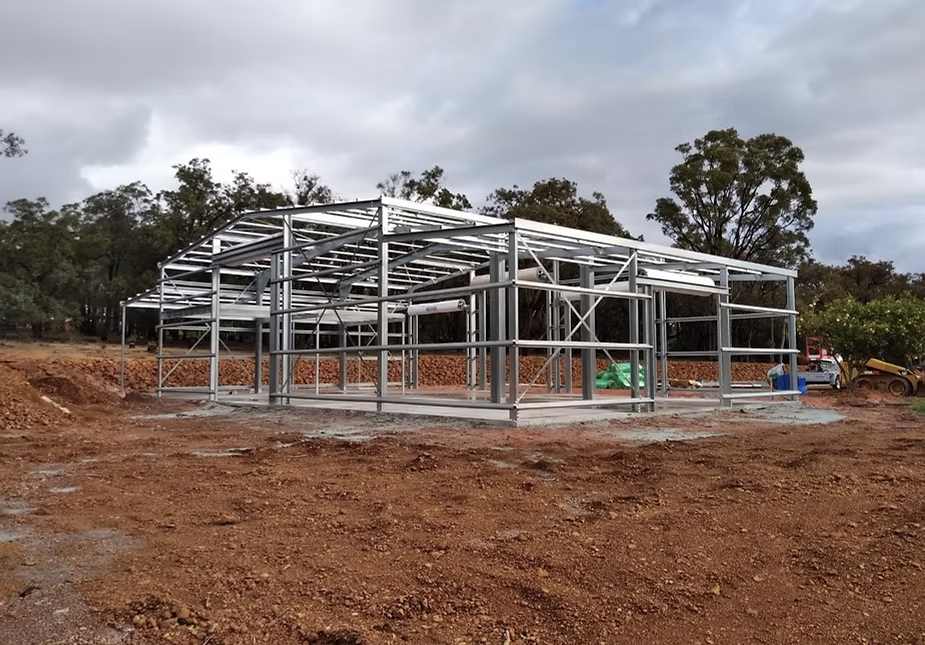

Building a shed in Australia is a popular way to add storage, workspace, or even a retreat to your property. However, before you start construction, it's essential to understand the regulations surrounding shed permits to ensure compliance with local laws and avoid potential fines or demolition orders. This comprehensive guide will walk you through the process of obtaining a shed permit in Australia, including when you need one, how to apply, and what requirements you must meet.
1. Understanding the Need for a Shed Permit
In Australia, the necessity for a shed permit depends on several factors, including the shed's size, location, and intended use. Generally, sheds that are 10 square metres or smaller may not require a permit, but this can vary by state and local Council regulations. It's important to check with your local Council to determine the specific requirements for your area.
For instance, in New South Wales, small sheds may qualify as exempt developments if they meet specific criteria, such as a maximum floor area of 20 square metres and a maximum height of 3 metres.
2. Determining Shed Size Without Permit
The size of the shed plays a significant role in determining whether a permit is required. In many areas, sheds under 10 square metres may be exempt from requiring a permit. However, certain conditions must be met, such as the shed being located behind the front setback line and not exceeding a height of 2.4 metres. Always verify with your local council to ensure compliance with local regulations.
In rural areas, it is often possible to build a shed as large as 50 square metres without obtaining council approval, depending on the local council's regulations.
3. How to Apply for a Shed Permit
Obtaining a shed permit involves several steps:
- Determine the Need for a Permit: Assess the size, location, and intended use of your shed to determine if a permit is required.
- Consult Local Council: Contact your local council to confirm the specific requirements and regulations for your area.
- Prepare Necessary Documentation: Gather all required documents, including site plans, building plans, and any other supporting materials.
- Submit Application: Submit your application along with the necessary documentation to your local council.
- Await Approval: Wait for the council to review and approve your application.
- Commence Construction: Once approved, you can begin constructing your shed in accordance with the approved plans.
It's essential to check with your local council to ensure you meet all the necessary requirements for your area.
4. Shed Permit Requirements
The requirements for a shed permit can vary by state and local council. Common requirements include:
- Size Limitations: Sheds exceeding a certain size may require a permit.
- Setback Requirements: Sheds must be located a certain distance from property boundaries.
- Height Restrictions: There may be maximum height limits for sheds.
- Material Specifications: Certain materials may be required, especially in fire-prone areas.
- Intended Use: Sheds intended for habitation or business use may have additional requirements.
For example, in bushfire-prone areas, sheds must be constructed of non-combustible materials if located within 5 metres of the main dwelling.
5. Consequences of Building Without a Permit
Building a shed without the necessary permit can lead to several consequences:
- Fines and Demolition Orders: Councils may impose fines, sometimes amounting to thousands of dollars, and may issue a demolition order, forcing you to remove the shed from your property entirely.
- Insurance and Liability Risks: Building a shed without the necessary approvals can void your home insurance policy. For example, if the shed is made of fire-prone materials and contributes to damage in a fire-prone area, your insurer may reject any related claims.
- Property Value and Resale Issues: When selling your property, unauthorised sheds or other non-habitable buildings can deter buyers, as legal proof of compliance with local regulations is often required during property transactions.
6. Tips for a Smooth Shed Permit Process
- Plan Ahead: Start the permit application process early to account for any potential delays.
- Consult Professionals: Consider hiring a professional to assist with the application process and ensure all requirements are met.
- Stay Informed: Keep up to date with any changes in local regulations that may affect your shed permit.
- Maintain Records: Keep copies of all submitted documents and correspondence with the council for future reference.
Understanding the requirements for a shed permit is crucial to ensure your shed complies with local regulations. By following the steps outlined in this guide, you can navigate the permit process with confidence. For more information and assistance, consider consulting with professionals who specialize in shed construction and permits.
For those looking to build a shed without the stress of navigating council regulations on their own, working with a trusted local expert can make all the difference. AMC Sheds not only provides high-quality custom shed solutions but also offers support throughout the permit application process. Whether you're unsure if your shed design needs approval or you’re ready to submit plans, Contact Us to guide you every step of the way, ensuring your project is both compliant and built to last.
FAQs
1. Do I need a permit for a shed on my residential property in Australia?
It depends on several factors, including the shed size, its location, and your local council’s regulations. Generally, sheds under 10 square metres may be exempt from a permit, but it’s always best to confirm with your local council before starting any construction.
2. What is the maximum shed size without needing a permit?
In many parts of Australia, you can build a shed up to 10 square metres without a permit. However, some councils allow up to 20 square metres, depending on the property zoning and other factors like height and placement on the block. Always check with your local council to confirm the current rules.
3. How do I get a shed permit in Australia?
The process involves checking with your local council, preparing documentation like site and building plans, and submitting an application. You may need to meet shed permit requirements such as setback distances, maximum heights, and specific building materials, especially in bushfire-prone areas.
4. What happens if I build a shed without the required permit?
Building without a valid permit can lead to fines, legal orders to remove the shed, and complications with insurance claims. It can also affect your property’s resale value. To avoid these risks, it’s essential to follow proper procedures and secure approval where needed.